Endings
Cucina Stellata Ending Explained - The Dark Truth Behind the Starred Cuisine
Understanding the disturbing finale of Cucina Stellata, where Italian cooking meets cosmic horror in an unforgettable indie game experience.
Cucina Stellata is an indie horror game that begins as a seemingly wholesome cooking simulator before descending into one of the most disturbing experiences available on itch.io. Created in less than two months for a game jam by developer Filthy Eden, this Italian-language horror game combines culinary passion with cosmic dread, drawing inspiration from H.P. Lovecraft’s “The Colour Out Of Space.” Players who reach the conclusion are left with questions about what they witnessed and what it means.
The ending of Cucina Stellata involves the protagonist chef discovering an alien creature, locking it up, and systematically consuming it while experiencing transcendent culinary ecstasy that pushes them beyond the boundaries of sanity. The finale forces players to witness increasingly disturbing scenes, including a graphic moment where the chef loses control of bodily functions due to the overwhelming perfection of the alien’s flesh, ultimately revealing how the pursuit of culinary perfection can corrupt and consume the artist entirely.
What Happens in Cucina Stellata’s Story
The game establishes itself with an atmosphere of refined Italian gastronomy, presenting players with what appears to be a cozy cooking experience set in the Romagna region of Italy. The opening quote references wine consumption, setting an ambiguous tone that players initially interpret as establishing the cultural context of Italian cuisine and hospitality.
As the story progresses, the seemingly wholesome cooking narrative quickly transforms. The chef encounters an alien creature—referred to by players as “the poor little guy”—and makes a decision that forms the dark core of the game’s horror. Rather than reacting with fear or attempting communication, the chef’s culinary obsession immediately identifies the creature as an ingredient, a source of unprecedented flavors that could elevate their cooking to legendary status.
The shift from cooking game to psychological horror happens rapidly, with players reporting they were unprepared for how quickly the atmosphere deteriorates. The game maintains tension through its “voltata” (page-turning) mechanic, where each progression reveals more disturbing developments in the chef’s descent into culinary madness.
The Disturbing Climax
The most shocking sequence occurs when the chef prepares and consumes dishes made from the alien creature. Players describe this section as emotionally devastating, with many reporting they “felt so bad for the poor little guy” while watching the chef’s actions unfold through poetic, elaborate text descriptions.
The game includes an infamous scene that caught even prepared horror game players off guard. After consuming the alien’s flesh, the chef experiences such overwhelming culinary bliss that they lose control entirely. One player describes the moment: “The uh…excrement part of the game actually threw me for a loop LOL. I understood what he was saying before he did it but I assumed he was speaking from a metaphorical sense given the climate of the game up to that point. Nope, he went to the bucket and did what he did and basically lost his mind bcuz the food was so good.”
This graphic scene serves as the culmination of the chef’s corruption—the alien’s meat is so exquisite, so far beyond anything terrestrial cuisine could offer, that it breaks the chef’s mind and body. The developers intended this extreme reaction to convey the complete dissolution of human restraint when faced with transcendent experience.
Understanding the Ending
The finale presents no redemption or escape for the protagonist. The chef has crossed an irreversible boundary, having imprisoned and consumed a sentient creature in pursuit of culinary perfection. The ending leaves the chef transformed, presumably having exhausted their alien ingredient and now faced with the impossibility of ever experiencing such flavors again.
Several players questioned the chef’s immediate decision to imprison and eat the alien creature. As one commenter noted: “I am curious as to why he went and locked the alien up and eat him. Like why was that his first thought lmao?” This question touches on the game’s core horror—the protagonist’s instant reduction of a living being to mere ingredients reveals a professional obsession that has already consumed their humanity before the game even begins.
One player’s interpretation offers insight: “My head canon is that he was drunk beforehand, thus given Credence to the quote at the beginning of the game, which was about wine consumption. Lil bro was HAMMERED.” While the developers confirmed that Italian cultural concepts and idioms are central to the experience, this reading suggests the wine quote may foreshadow impaired judgment or hint at the chef’s already compromised state.
The developers confirmed their inspiration from “The Colour Out Of Space,” Lovecraft’s story about an alien presence that corrupts and destroys everything it touches. In Cucina Stellata, the alien becomes both victim and instrument of corruption—its flesh offers transcendence while damning the consumer to permanent dissatisfaction with ordinary existence.
Themes and Artistic Choices
The game’s horror operates through what players describe as “premise” rather than traditional jump scares. The true terror comes from recognizing the chef’s moral descent and the irreversibility of their actions. Players praised this approach, noting it created “a honor game with plot, story and depth” that rewards careful attention to the increasingly unsettling narrative.
The pompous, poetic language that some players initially found excessive proves essential to the horror. The elevated, culinary prose creates cognitive dissonance—describing atrocities in the language of haute cuisine forces players to process horrific actions through the distorted lens of the chef’s obsessed mind. The elaborate descriptions of preparation and flavor contrast sickeningly with the reality of what’s being prepared.
Italian players particularly connected with cultural elements that don’t fully translate to English. The developers acknowledged “some of the game’s concepts and idioms are closely tied to Italian culture, so some meaning can get lost in English,” and they’re working on improving translations to help international players appreciate the full experience. The choice to center Italian culinary culture wasn’t just aesthetic—it grounds the horror in a real tradition of treating food preparation as high art, then perverts that tradition to disturbing ends.
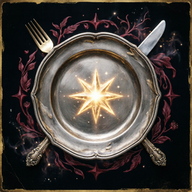
The visual design supports the narrative with simple but effective art that players described as having “comforting atmosphere” that makes the descent more jarring. The game proves that horror doesn’t require photorealistic graphics when the writing and concept are strong enough.
Player Reactions and Impact
The ending generated intense emotional responses across the player community. Comments consistently describe feeling disturbed, unsettled, and emotionally impacted by the conclusion. Players used phrases like “rivoltare le budella” (stomach-turning) and reported the game left them thinking about it long after finishing.
Some players felt sympathy for the alien creature, describing it as “the poor little fellow” and reporting they “felt like crying” for it. This emotional investment makes the horror more effective—players aren’t just intellectually understanding that something wrong happened, they’re emotionally processing complicity in witnessing atrocity.
Professional chefs who played the game noted its understanding of culinary obsession. One chef player commented: “As someone who learned to be a chef, I can safely say, that this is one of the most accurate ‘if a chef would go out of it’s way to make the best dish’ situation. The choice of words were magnificent!” This recognition from actual culinary professionals suggests the game captures something true about how the pursuit of perfection can become all-consuming.
The game succeeded in its developers’ stated goal of creating specific emotions. When one player wrote “I felt so bad for the poor little guy,” the developers responded: “That was exactly the feeling we wanted to create! 😈 Thank you for playing!” The ending works because it forces players to witness something they cannot prevent or change, only process and carry with them.
Frequently Asked Questions
Does Cucina Stellata have multiple endings? Based on player discussions, the game appears to have a single ending where the chef consumes the alien creature. No commenters mentioned alternative conclusions or branching paths.
Is the game suitable for people who don’t like jump scares? Yes. Players specifically recommend it for people seeking “a honor game with plot, story and depth” rather than jump scares. The horror comes from atmosphere, dread, and disturbing narrative developments.
How long does it take to complete Cucina Stellata? While exact playtime isn’t specified in player comments, the game was created in less than two months for a jam, suggesting a shorter indie experience. Players describe it as appropriately paced for its content.
Do I need to understand Italian to play? The game has English translation, though developers acknowledge some cultural concepts lose nuance in translation. They’re working on improving the English version, but non-Italian players report still finding it impactful and comprehensible.
Is Cucina Stellata free? Multiple players commented that the game “shouldn’t be free” given its quality, suggesting it’s currently available at no cost on itch.io. Players consistently praised its value and polish despite being a jam game.
What makes the ending so disturbing? The combination of graphic content (including the excrement scene), the systematic consumption of a sympathetic alien creature, and the chef’s complete moral collapse create an ending that players describe as uniquely unsettling in the horror game genre.