Gameplay
Cucina Stellata Italian Horror Game: A Disturbing Culinary Experience
Cucina Stellata blends Italian cooking with cosmic horror in this unsettling free indie game that starts wholesome but descends into madness.
Cucina Stellata Italian horror game delivers one of the most unique horror experiences in recent indie gaming. Created by Filthy Eden and developed in less than two months for a game jam, this free title available on itch.io combines two seemingly incompatible elements: traditional Italian cuisine and deeply unsettling cosmic horror. What begins as a cozy cooking simulator rapidly transforms into a disturbing descent that has left players describing it as one of the most viscerally affecting horror games they’ve encountered.
The game’s deceptive opening creates an atmosphere of warmth and comfort before pulling players into a narrative that several reviewers compared to H.P. Lovecraft’s “The Colour Out Of Space.” Unlike conventional horror games that rely on jump scares, Cucina Stellata builds dread through atmosphere, story progression, and increasingly disturbing revelations about the meals being prepared.
A Cooking Game Unlike Any Other
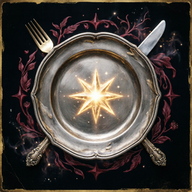
Cucina Stellata presents itself initially as a wholesome cooking experience set in the Italian region of Romagna. Players navigate through what appears to be standard cooking game mechanics, preparing dishes and reading beautifully written text descriptions. The game’s visual presentation combines simple yet effective design elements with carefully crafted 2D art that establishes both comfort and unease.
The gameplay centers around reading letters and text descriptions while preparing meals, with each course revealing more about the protagonist’s situation. One player noted the experience is “def recommend if u dont rlly enjoy jump scares or anything like that, and rather play a honor game with plot, story and depth.” The developers confirmed this was exactly their intention—creating horror through premise and atmosphere rather than traditional scare tactics.
The cooking mechanics themselves remain fluid and pleasant throughout, which creates an intentional dissonance as the story’s true nature emerges. Players described the gameplay as maintaining tension at every turn, with the simple act of progressing to the next dish becoming increasingly fraught with dread about what revelation might come next.
The Descent Into Cosmic Horror
The game’s narrative twist involves preparing meals for an extraterrestrial visitor, but the true horror lies in how the protagonist responds to this situation. Multiple players described feeling genuine emotional distress for the alien character, with one stating “I felt so bad for the poor little guy.” The developers responded that evoking exactly that emotion was their goal.
The story’s progression includes moments so disturbing that Italian-speaking players specifically mentioned feeling physically affected. One reviewer wrote “Non credo di aver mai giocato a un indie horror tale da farmi rivoltare le budella in questo modo” (I don’t think I’ve ever played an indie horror that made me feel so sick to my stomach). Another player humorously noted the game made them lose their appetite for ragù for twenty minutes.
The narrative includes scenes that caught even prepared players off guard. One detailed review mentioned an “excrement” scene that they initially thought was metaphorical but turned out to be literal, causing them to react with shock despite anticipating something disturbing. The reviewer theorized the protagonist might have been intoxicated, referencing an opening quote about wine consumption, though this remains player interpretation rather than confirmed canon.
Italian Cultural Identity and Language
The decision to create Cucina Stellata as a distinctly Italian experience represents one of its most praised and challenging aspects. The game features text written in elevated, poetic Italian that creates a specific tone essential to its atmosphere. While an English translation exists, the developers acknowledge that “some of the game’s concepts and idioms are closely tied to Italian culture, so some meaning can get lost in English.”
International players specifically praised moments when they could appreciate the authentic Italian elements. One English-speaking player noted their delight at hearing “Romagna” pronounced correctly in a gameplay video, with the developers responding that it “truly warms my heart.” The choice to maintain complex Italian prose even in translation was described by the developers as “a risky but important artistic decision for the kind of experience and mood we wanted to create.”
The writing itself garnered extensive praise, with multiple Italian players highlighting the letters and text as exceptional. One reviewer specifically complimented whoever wrote the correspondence within the game, calling them “stupende” (stupendous). Professional culinary experience even informed one player’s appreciation, who stated “as someone who learned to be a chef, I can safely say, that this is one of the most accurate ‘if a chef would go out of it’s way to make the best dish’ situation. The choice of words were magnificent!”
Critical Reception and Community Response
With over 145 comments on its itch.io page, Cucina Stellata has generated remarkable engagement for an indie jam game. The overwhelming majority of players rated it 5/5, with several explicitly stating it ranks among the best horror games they’ve played on the platform despite having “giocati parecchi” (played quite a few).
Players consistently highlighted several strengths:
- Originality: Multiple reviewers stated they had “never seen anything like this” in horror gaming, praising how it combined aliens and Italian culture in unexpected ways
- Writing Quality: The poetic, elevated prose received specific acclaim, with one player noting “mentre il testo sembra pomposo, si adatta perfettamente al tono” (while the text seems pompous, it fits the tone perfectly)
- Art Direction: The visual aesthetic earned praise for creating both comfort and unease effectively
- Pacing: The gradual build of tension and atmosphere was highlighted as exceptional
Several players expressed disbelief that the game was free, with one stating “This game shouldn’t be free. It’s so well-written, so original and visually neat.” The fact that everything was created in under two months for a jam impressed the community significantly.
The game also achieved visibility through content creators, including a stream by Karim (Yotobi), which brought additional attention to the project. International players from Brazil and other countries expressed appreciation for seeing Italian-centered horror content.
Audio Design and Immersive Elements
While visual elements receive most commentary, players noted the audio experience significantly enhanced the horror. One player specifically mentioned “This game was disturbing with headphones,” to which the developers responded they were “glad to hear it was an interesting audio experience too.”
The combination of visual, textual, and audio elements creates what multiple players described as an intensely immersive experience. The game maintains tension throughout without relying on sudden loud noises or music stings typical of horror games. Instead, the soundscape supports the gradually building dread and the protagonist’s psychological state.
Developer Plans and Future Projects
Following Cucina Stellata’s success, Filthy Eden indicated they have “idee per possibili progetti futuri, anche un pochino più ambiziosi” (ideas for possible future projects, even a bit more ambitious). They expressed hope to “trovare il tempo e/o i fondi per realizzarli” (find the time and/or funds to realize them).
The positive reception has clearly encouraged the development team, with community members urging them to pursue funding and suggesting they could “fare davvero grandi cose” (do really great things) with proper support. One enthusiastic player even requested “voglio altri 100” (I want 100 more), though the developers humorously noted that might be difficult to achieve.
Playing Cucina Stellata
The game is available as a free download on itch.io through Filthy Eden’s page. Players should expect a text-heavy experience requiring careful reading and patience with complex prose. The game works best when played with headphones in a focused environment where the atmosphere can fully take hold.
Those expecting traditional horror mechanics should adjust expectations—there are no chase sequences, no combat, and no jump scares. Instead, the horror emerges from narrative revelation and the gradual understanding of what’s actually happening. Players sensitive to disturbing food-related content should proceed with awareness, as the culinary horror becomes quite explicit.
Frequently Asked Questions
Is Cucina Stellata available in English? Yes, the game includes an English translation, though the developers note some cultural concepts and idioms may lose nuance in translation. They are actively working to improve the English version to help non-Italian players better appreciate the experience.
How long does it take to complete? Based on player comments, the game appears to be relatively short, playable in a single sitting. The exact length isn’t specified, but it was designed for a game jam with tight time constraints.
Does the game have jump scares? No. Multiple players and the developers confirmed the game focuses on atmospheric dread and disturbing narrative content rather than sudden scares. It’s specifically recommended for players who prefer story-driven horror.
Is it really free? Yes, Cucina Stellata is completely free on itch.io. Several players expressed surprise at this, suggesting the quality warranted a price tag.
What inspired the game? The developers confirmed that H.P. Lovecraft’s “The Colour Out Of Space” was one of the inspirations. The game blends cosmic horror themes with distinctly Italian cultural elements.
Will there be more games like this? Filthy Eden has indicated they have ideas for future projects that may be more ambitious, though they need time and potentially funding to realize them.